
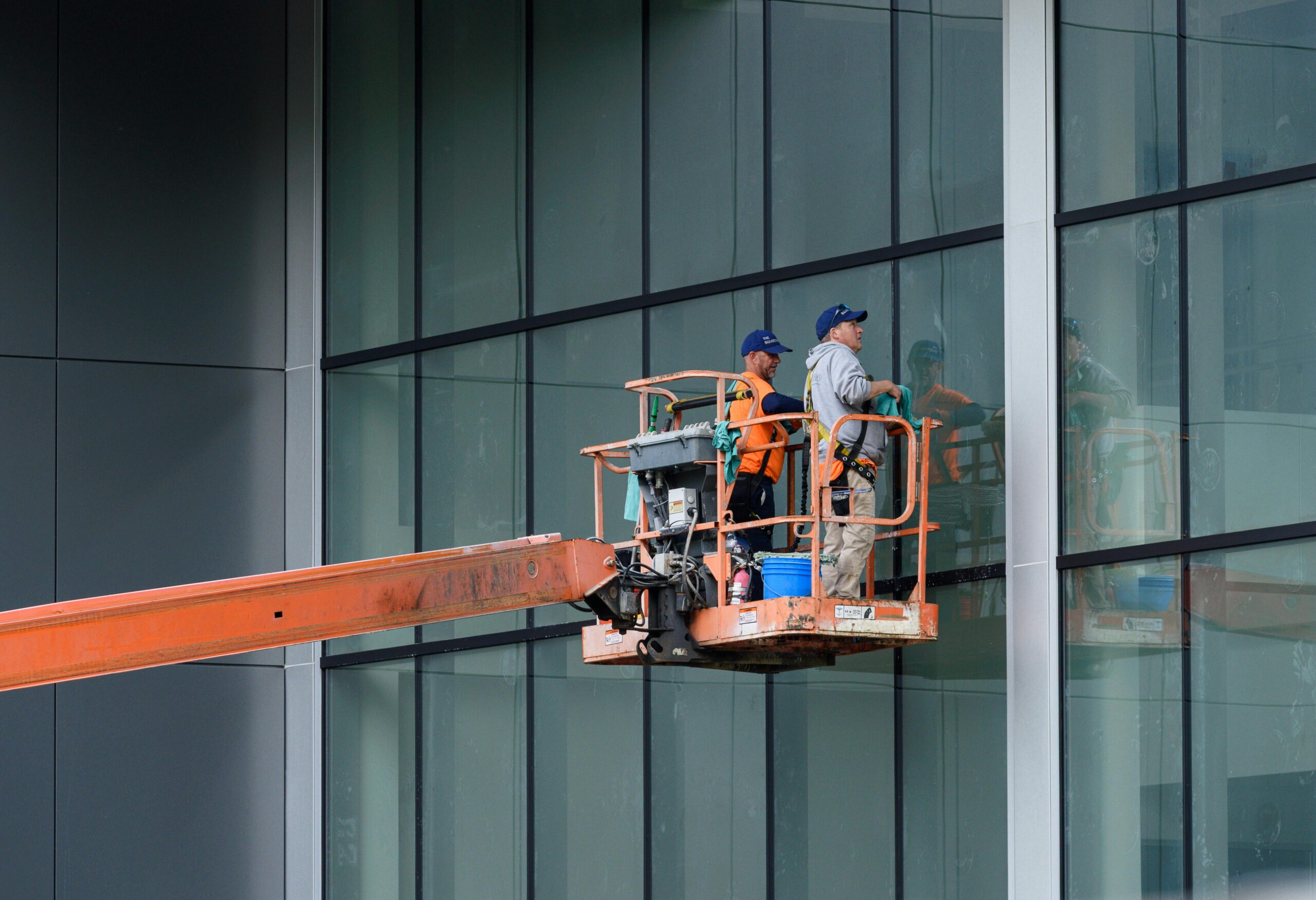
A brand-new building or freshly remodeled space may look amazing at first glance. But behind those shiny floors and fresh walls, there is often a big mess waiting to be handled.
Dust can hide everywhere. Scraps of wood, paint spots, and broken bits can pile up fast. That is why commercial construction cleaning in Philadelphia is very different from regular janitorial work.
Both involve cleaning, but they are not two peas in a pod. Each serves a different purpose and uses different tools.
Construction Mess Is a Whole Different Beast
Regular janitorial work keeps places clean every day.
This often includes:
- Sweeping floors
- Emptying trash
- Cleaning bathrooms
- Dusting desks
- Mopping surfaces
These jobs help offices, schools, and stores stay neat.
But construction cleaning is a bigger job.
After construction or renovation, spaces often have:
- Thick dust
- Nails and screws
- Paint splatters
- Sawdust
- Leftover materials
- Sticky residue
This kind of mess is not something a quick mop can fix. Commercial construction cleaning in Philadelphia handles these larger, tougher cleanup jobs.
It’s More Than Just Elbow Grease
Construction cleaning usually happens in steps.
Rough Cleaning
This is the first round.
Workers remove:
- Big debris
- Trash piles
- Wood scraps
- Packaging materials
This clears the area for the next stage.
Detailed Cleaning
Now it is time to tackle the smaller mess.
This includes:
- Dusting vents
- Cleaning windows
- Wiping walls
- Vacuuming corners
Final Shine-Up
This is the last step before the building is ready. Teams polish floors, clean fixtures, and make the space sparkle. Standard janitorial work usually does not include all these stages. It focuses more on keeping things tidy after a place is already in use.
Different Tools for Different Jobs
Here’s where things really split.
| Industrial vacuums with HEPA filters | Standard vacuums |
| Debris hauling equipment | Trash bags and bins |
| Safety gear like helmets and gloves | Basic gloves |
| Heavy-duty chemical solutions | General cleaners |
| Floor buffing and polishing tools | Mops and brooms |
HEPA filtration is especially crucial because construction dust can affect indoor air quality. According to the EPA, fine particles can linger in the air and trigger respiratory issues if not properly removed.
Safety Is No Joke
Construction sites can be risky. Sharp nails, broken glass, and slippery surfaces can cause accidents. Sometimes, chemicals or dust can also be harmful.
That is why construction cleaning crews often wear:
- Gloves
- Masks
- Safety boots
- Protective eyewear
Janitorial teams usually work in safer spaces, like offices or schools, where these hazards are less common.
Timing Matters Big Time
Janitorial cleaning often happens on a set schedule.
For example:
- Daily
- Weekly
- Monthly
Construction cleaning is different.
It often happens:
- Before inspections
- After painting
- Before opening day
- After renovations
This means crews must work closely with builders and project managers. If cleaning is delayed, the whole project can hit a snag.
Small Details Make a Big Difference
When construction ends, the place should look spotless.
That means cleaning crews often handle:
- Window sticker removal
- Baseboard dusting
- Light fixture cleaning
- Floor polishing
- Spot removal
These little details matter because first impressions count. Nobody wants to walk into a new office and see dust bunnies in the corner.
Why Construction Cleaning Costs More
Construction cleaning can cost more than standard janitorial work. Why?
Because it often includes:
- Bigger messes
- More labor
- Safety training
- Special tools
- Hazard cleanup
It is not just about making things look nice. It is about making the space safe and ready to use.
Who Needs Commercial Construction Cleaning?
This type of service is helpful for:
- Office buildings
- Retail stores
- Schools
- Hospitals
- Apartment complexes
In growing cities, building projects happen all the time. That is why commercial construction cleaning in Philadelphia is such an important service.
So, What’s the Bottom Line?
Think of it this way. Janitorial work keeps a clean place looking good. Construction cleaning turns a messy job site into a clean, safe space. One is for daily care. The other is for serious cleanup after building or remodeling. Both matter, but they serve different purposes.
Need a Fresh Start After the Dust Settles?
A new space deserves more than a basic cleanup. Commercial construction cleaning in Philadelphia helps transform dusty, messy work zones into polished, ready-to-use spaces.
From removing debris to handling the tiny details, it plays a huge role in making properties safe and welcoming. Green Bee ProClean can help turn post-construction chaos into a clean slate.
FAQs
Q1. What is commercial construction cleaning?
A – It is a specialized cleaning service that clears away dust, debris, paint splatters, and leftover building materials after construction or renovation projects. The goal is to make the space clean, safe, and fully ready for people to move in.
Q2. Is construction cleaning harder than janitorial cleaning?
A – Yes, construction cleaning is usually more demanding because it involves larger messes, sharp debris, hazardous materials, and thick dust. It also requires special equipment, safety gear, and trained professionals who know how to handle post-construction challenges.
Q3. How long does post-construction cleaning take?
A –The time needed depends on the project’s size, condition, and level of mess. Smaller jobs may take a few hours, while larger commercial spaces or major renovations can take several days to clean properly.
Q4. Why is construction dust a problem?
A – Construction dust can spread through vents, settle on surfaces, and lower indoor air quality. Fine particles may irritate the eyes, nose, and lungs, especially if left untreated, which is why deep cleaning is so important.
Q5. Can regular janitors do construction cleaning?
A – Sometimes they can handle light cleanup, but many construction sites need specialized teams. Post-construction cleaning often involves heavy debris, safety risks, and advanced tools that regular janitorial staff may not have or use.