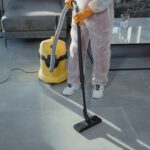

Finishing a home revamp or brand-new build feels amazing. However, the leftover mess of thick dust, grit, and sticky trash can ruin your excitement fast.
If you leave that sharp site dirt sitting around, it can scratch, dull, or wreck your costly upgrades before you even get to enjoy them.
Hiring top-notch post-construction cleaning services keeps your brand-new floors, shiny glass, bright lights, and custom wood totally safe.
Experienced cleaners know how to wipe away tough grit without leaving a scratch, keeping your fresh space looking like a million bucks from day one.
Why Is Cleaning Up Right Away a No-Brainer?
Freshly laid materials are surprisingly fragile right after the builders pack up their gear. Fresh tile grout needs time to set, wood finishes scratch if you look at them wrong, and new glass attracts micro-dust like a magnet.
Regular household broom-and-dustpan setups simply do not cut the mustard when it comes to catching fine construction dust safely.
Skipping proper cleanup opens the door to serious damage. Coarse drywall dust acts just like sandpaper when dragged across newly polished stone floors.
Leftover concrete drips and sticky grout haze can eat through delicate counter sealers if left sitting. On top of that, tiny floating particles quickly choke normal house vacuums, throwing dust back into the air and onto your fresh paint.
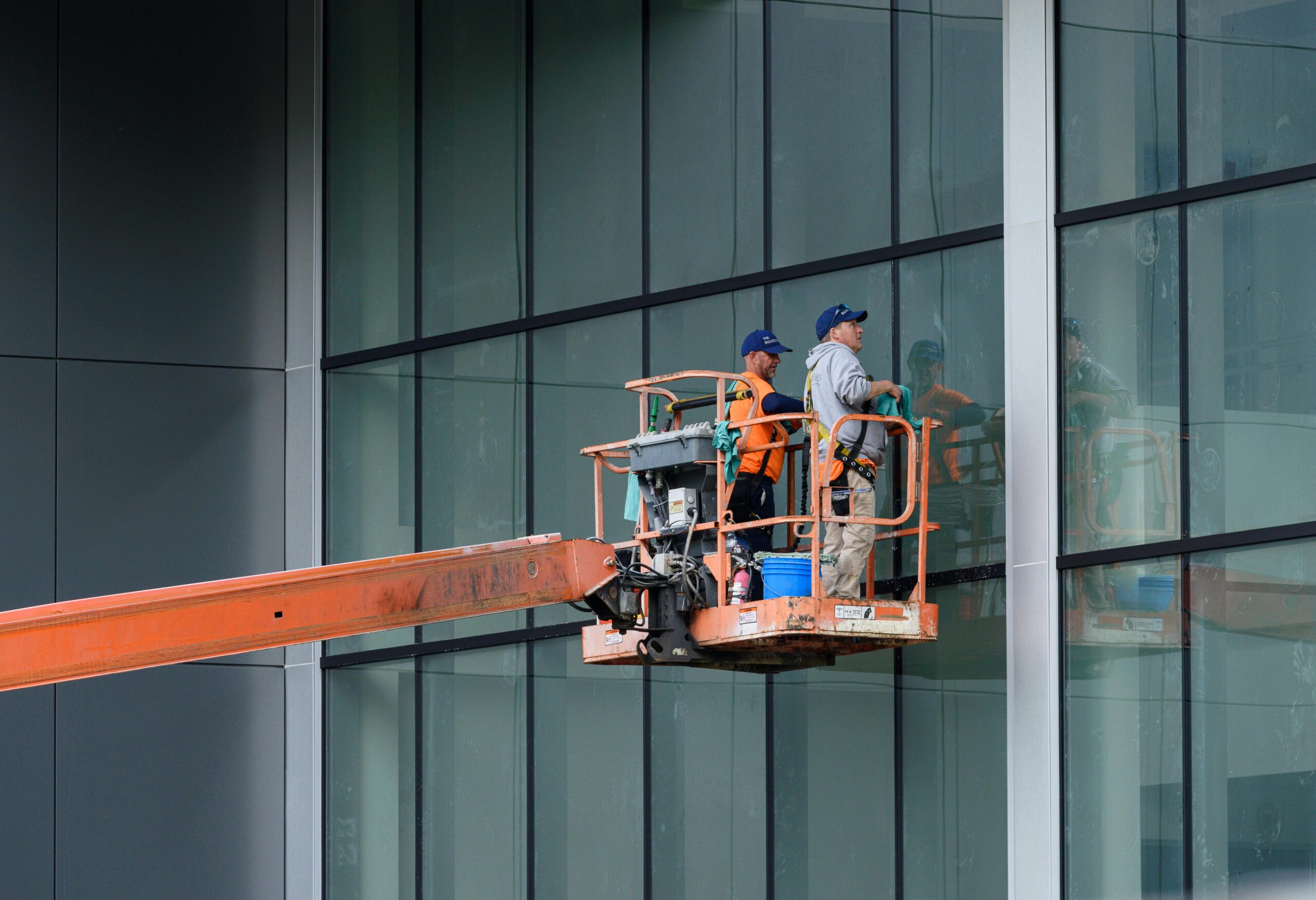
How Specialized Post-Construction Cleaning Services Protect Your Stuff
Every surface in your building needs its own special care plan. Throwing harsh store-bought cleaners on raw marble or using stiff brushes on custom glass will cost you an arm and a leg in repairs. Smart cleaning crews follow tested game plans made for every type of finish.
1. Hardwood and Laminate Flooring Protection
New hardwood and modern laminate floors need extra tender loving care. Vacuuming with a spinning brush roll drags tiny rocks across raw wood finishes, leaving ugly white lines behind.
Cleaners start by using super-soft microfiber mops that pick up dust without dragging grit across the floor. After that, they pull out powerful HEPA vacuums fitted with soft floor brushes. They only use barely-damp mops with mild soap so excess water never warps your shiny new wood planks.
2. Natural Stone, Quartz, and Ceramic Tile Care
Tile work always leaves behind a cloudy film called grout haze all over your new walls and floors. Wiping that film with plain water just smears the chalky mess around.
Trained workers use mild, acid-free haze cleaners that break down chalky film without damaging shiny marble, granite, or slate. For modern quartz and sealed tile, gentle neutral washes clear away sticky construction grime while keeping factory sealers intact.
3. Glass, Windows, and Architectural Metals
Scratching clear windows and sleek window frames happens all too often during amateur cleanups. Trying to scrape dry paint off fresh glass with an old razor blade will ruin the view for good.
Pros rely on flexible plastic scrapers and slick soap sprays to float hard spots right off the glass. Shiny metal accents, like stainless steel and brass, get gentle wiping treatments that lift sticky tape lines without dulling factory shines.
Quick Comparison: Regular Maid Service vs. Construction Cleanup
| Feature or Surface Focus | Regular Maid Service | Specialized Post-Construction Cleaning Services |
| Tools Used | Normal house vacuums and mops | Heavy-duty HEPA vacuums and floor machines |
| Fine Dust Handling | Wipes top surfaces; dust floats back | Traps tiny floating dust right at the source |
| Grout Haze Care | Basic water or vinegar mops | Material-safe neutral cleaners and haze solvents |
| Paint & Glue Removal | Scrubber pads or metal scrapers | Safe plastic blades and gentle softening sprays |
| Final Check | Quick eye-level walk-through | Detailed touch check for cured surfaces and seals |
How Does a Professional Cleanup Job Go Down?
Safe cleanup follows a strict top-to-bottom route so falling dust does not spoil spots you already wiped clean.
First off, workers haul away large trash, empty boxes, and heavy leftover materials. Next, they use heavy-duty vacuums on raw wall studs, open vents, and subfloors to catch hidden dirt early.
Once the big mess is out, high-reach HEPA vacuums clear off ceiling fans, light fixtures, and top shelves. Then, workers scrub counters, wipe glass, lift leftover glue, and neutralize cloudy tile haze.
Finally, a thorough walk-through ensures every last speck of fine dust is history, leaving your place ready to move into.
Ready to Enjoy Your Clean Space?
Putting money into professional post-construction cleaning services guards your property investment and lets your fresh upgrades shine.
We at Green Bee ProClean know how to handle delicate finishes, heavy site dust, and tough cleanup jobs with total care. Give our friendly team a call today to get your free estimate and make your property shine!
Frequently Asked Questions
- Q – Can I use a regular shop vacuum for construction dust?
A – Standard shop vacuums lack true HEPA filters. Without high-grade filters, tiny drywall dust blows straight out of the exhaust, coating your fresh paint and clean floors in a fresh layer of white powder. - Q – When should post-construction cleaning happen?
A – Cleaning should start only after all painters, plumbers, and carpenters have completely finished their jobs. Starting too early causes double work, while waiting too long lets glue and grout haze harden into stubborn spots. - Q – How do pros get paint specks off new windows?
A – Technicians use specialized plastic blades along with slick soapy water. This softens the paint bond so it slides off cleanly without scratching or gouging coated window glass. - Q – Will post-construction cleaning ruin fresh paint?
A – No, expert teams use soft microfiber dusters and barely-damp towels. They avoid harsh chemical sprays on walls, allowing fresh paint to dry evenly without ugly water rings, streaks, or faded spots. - Q – How long does a full construction cleanup take?
A – The timeline depends on your building’s size and total mess. Most homes or small office spaces take anywhere from one to three days for deep dust extraction and final surface polishing.